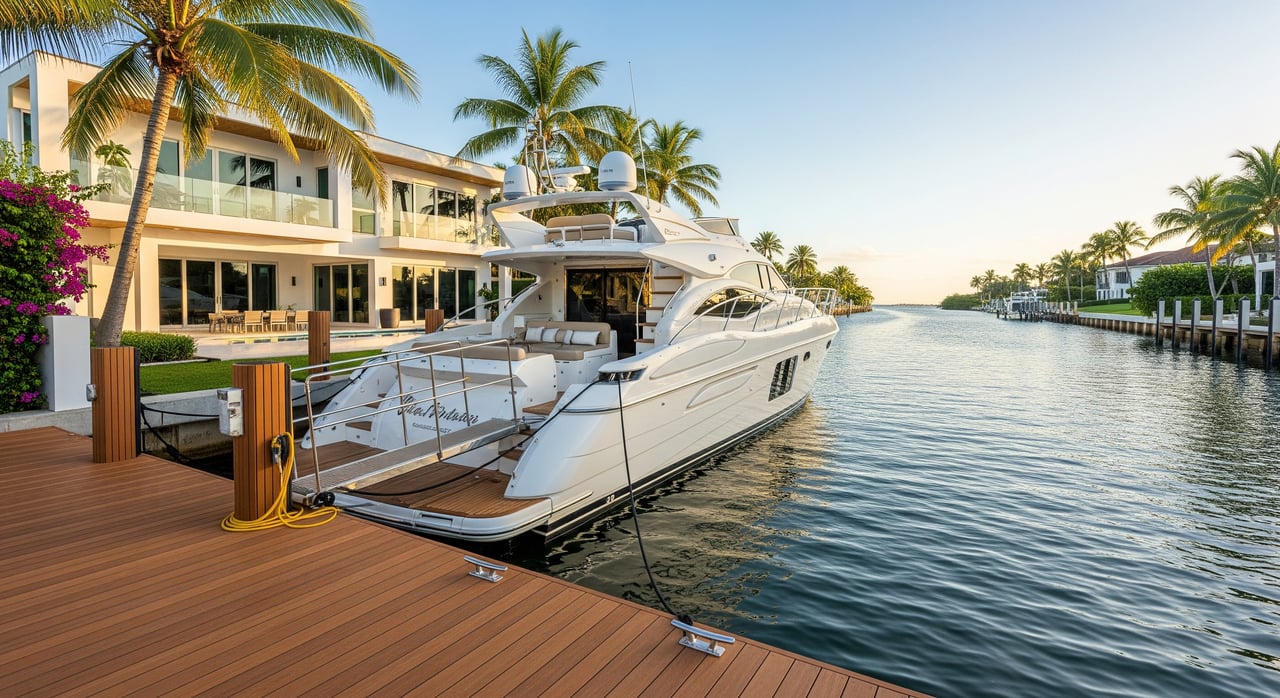
If the water is your compass, Delray Beach places you at the center of South Florida’s boating life. You have year-round access to the Intracoastal Waterway for easy cruising, quick runs to offshore reefs, and a vibrant social scene dockside. Whether you captain your own vessel or want to test the waters with a charter or club, this guide will help you navigate seasons, routes, rules, costs, and smart prep. Let’s dive in.
Why Delray Beach works for boaters
Delray Beach sits on the Atlantic Intracoastal Waterway, so you can cruise protected waters while staying close to ocean inlets for fishing and diving. You can plan short day trips to neighboring cities, tie up near downtown for a relaxed lunch, or head offshore when conditions allow. The area supports a full-service boating ecosystem, from municipal and private marinas to charters and yacht clubs.
Peak boating activity runs in winter and spring when the weather is milder and visitor energy is high. You still enjoy a true year-round season, with summer bringing warmer water and afternoon thunderstorms. Hurricane season runs from June 1 to November 30, so planning and preparation are part of responsible ownership.
ICW and offshore access
The Atlantic Intracoastal Waterway gives you a sheltered north–south corridor for day cruising and weekend hops. Typical runs include south toward Boca Raton or north through Palm Beach County with stops at marinas and waterfront restaurants. If you plan to head offshore for reef or pelagic fishing, use nearby inlets and current nautical charts. Sand shoals and shifting channels mean you should always check local notices to mariners before you go.
- ICW benefits: protected waters, predictable routes, and easy access to dining and services.
- Offshore notes: confirm weather and sea state, review tides and currents, and plan around daylight for safer transits.
When to go: seasons and weather
You can boat in Delray Beach all year, but each season has a personality.
- Winter to spring: peak activity, comfortable air temps, busy marinas and events.
- Summer: warmer water, afternoon thunderstorms, and a higher chance of tropical systems.
- Fall: transitional weather, watch fronts and early-season storms.
Check tide tables, wind forecasts, and currents before every outing. Afternoon sea breezes and localized thunderstorms can affect shallow areas and anchoring. Always build a backup plan if conditions change.
Where to dock and launch
You will find a mix of municipal and private marinas in and near Delray Beach, with transient and long-term slip options. Some facilities offer fuel, pump-out, and basic marine services, and many boaters use the municipal marina for convenient downtown access. Public boat ramps throughout Palm Beach County serve trailerable boats, with parking and fees that vary by site.
Before you go, call ahead to confirm slip availability, services, and current rates. High season can be competitive, and policies for transient stays, liveaboard limits, and overnight anchoring can differ by facility.
Fuel, maintenance, and haul-out
Larger marinas in the area offer fuel docks, though diesel and gasoline availability can vary. Boatyards and mobile marine mechanics cover routine service, engine work, bottom painting, and electronics. Dry-stack and lift services are available nearby, while bigger repairs often require a haul-out yard. Ask your dockmaster for recommendations and lead times, especially during peak season.
Charters, clubs, and rentals
If you prefer to captain occasionally or you are new to boating, local charter operators, boat-share programs, and rental fleets make it simple to get on the water. Options range from small runabouts for ICW cruising to licensed sportfishing charters for offshore days. Yacht clubs and social boating organizations, including the Delray Yacht Club, host events, training, and group outings that help you connect with the community.
The rules you need to know
Boating is freedom with responsibilities. The right knowledge keeps you safe and compliant.
- Registration and titling: Florida requires most motorized vessels to be titled and registered with the Florida Department of Highway Safety and Motor Vehicles.
- Operator education: If you were born on or after January 1, 1988, you need a Florida Boating Safety Education ID card to operate a vessel with a motor of 10 horsepower or greater.
- Federal safety carriage: The U.S. Coast Guard sets equipment rules by vessel type and length. Carry the correct life jackets, visual distress signals, fire extinguishers, sound-producing devices, and navigation lights.
- Speed and manatee zones: The ICW includes slow-speed and no-wake areas, including posted manatee protection zones. Obey all signs and markers.
- No-discharge areas: Vessel sewage discharge may be restricted in parts of Florida’s coastal waters. Use pump-out services where required.
- Anchoring and mooring: Rules vary by city and county, and some urban areas limit long-term anchoring or liveaboard use. Verify local ordinances before planning overnight stays.
- Fishing regulations: Saltwater seasons, size limits, and bag limits in state waters are governed by the Florida Fish and Wildlife Conservation Commission. Federal waters have additional rules for certain species.
- International cruising: If you plan a Bahamas trip, follow U.S. Customs and Border Protection procedures and confirm passport and reporting requirements before departure.
Safety gear checklist
Bring the legally required items for your vessel and add a few key extras to elevate safety and comfort.
- Required by USCG: U.S.-approved life jacket for each person, throwable device where applicable, visual distress signals, fire extinguishers, sound-producing device, and navigation lights.
- Smart additions: VHF radio with Channel 16 knowledge, GPS or chartplotter plus current paper or electronic charts, NOAA weather access, a well-stocked first-aid kit, anchor sized for local bottom, spare lines and fenders, manual bailing option, and an EPIRB or PLB for offshore runs.
- Family tips: Encourage children and inexperienced swimmers to wear life jackets while underway.
Favorite day plans on the water
You do not need a full weekend to enjoy the Delray boating lifestyle. Try these easy itineraries.
- Afternoon ICW cruise: Glide along the Intracoastal, stop for a late lunch near downtown, and head back before sunset. Check local speed and no-wake zones and be patient at bridges.
- Half-day fishing: Book a licensed charter or run your own trip to nearshore reefs or wrecks when the forecast is favorable. Confirm open seasons for your target species.
- Sunset cruise: Review tides and lighting, verify your navigation lights, and keep a close watch for unlit hazards. Slow speeds make for a smoother evening ride.
Budgeting your boating life
Ownership costs depend on your vessel, how often you run, and where you keep it. Plan for:
- Slip or storage: Transient and long-term rates vary by marina and season. Waitlists can apply in peak months.
- Fuel: Offshore trips and larger boats increase consumption. Price fuel and range before you plan a long day.
- Insurance: Premiums depend on vessel value, intended use, and your boating resume.
- Maintenance: Routine service, bottom work, and electronics add up. Set aside a reserve for unexpected repairs.
- Registration and titling: Most motorized vessels must be registered in Florida. Trailers and haul-outs add occasional expenses.
A realistic budget reduces surprises and keeps your boat ready when the weather window opens.
Hurricane prep for boat owners
Strong plans protect your boat and the marina community around you. Build your checklist before June 1.
- Review your marina’s hurricane plan and your insurance terms every year.
- Decide your strategy early: haul-out and dry storage, or double lines and secure the boat in a protected basin.
- Add chafe protection, extra fenders, and spring lines. Remove canvas and loose gear, and secure electronics.
- If advised by your marina, relocate to a safer basin ahead of a storm. After any event, return only when authorities deem it safe and watch for hazards, downed lines, and spills.
Living the waterfront lifestyle
If you are considering a waterfront home in Delray Beach, your boating habits should guide your search. Think about bridge clearances along your most common routes, proximity to the ICW, access to inlets if you fish offshore, and whether you want a private dock, a lift, or walkable access to a marina. Slip scarcity in peak season can raise the value of homes with reliable docking solutions. A thoughtful plan today helps you enjoy more time on the water, with fewer logistics tomorrow.
Ready to align your home base with your boating life? For guidance on docks, canals, and the micro-locations that match your vessel and routines, connect with Megan Romine for a private consultation.
FAQs
What is the best season for boating in Delray Beach?
- Peak activity is in winter and spring, but you can boat year-round with extra weather awareness during summer and hurricane season.
Do I need a boating license in Florida?
- If you were born on or after January 1, 1988, you need a Florida Boating Safety Education ID card to operate a 10 horsepower or greater motor vessel.
Where can I launch a trailer boat near Delray Beach?
- Public ramps are available across Palm Beach County, with parking, fees, and rules that vary by location.
Are there speed limits on the Intracoastal Waterway?
- Yes, you will encounter slow-speed and no-wake zones, including manatee protection areas, and you must obey all posted signs.
What safety equipment must I carry on my boat?
- U.S. Coast Guard rules require life jackets, a throwable device where applicable, visual distress signals, a sound device, fire extinguishers, and navigation lights based on vessel size and type.
Can I anchor overnight in the ICW around Delray Beach?
- Anchoring rules vary by municipality and county, and some areas restrict long-term or overnight anchoring, so confirm local ordinances before planning a stay.
Do I need a separate license to fish offshore?
- Recreational fishing in state waters follows Florida Fish and Wildlife Conservation Commission rules, and federal waters add separate regulations for certain species and seasons.