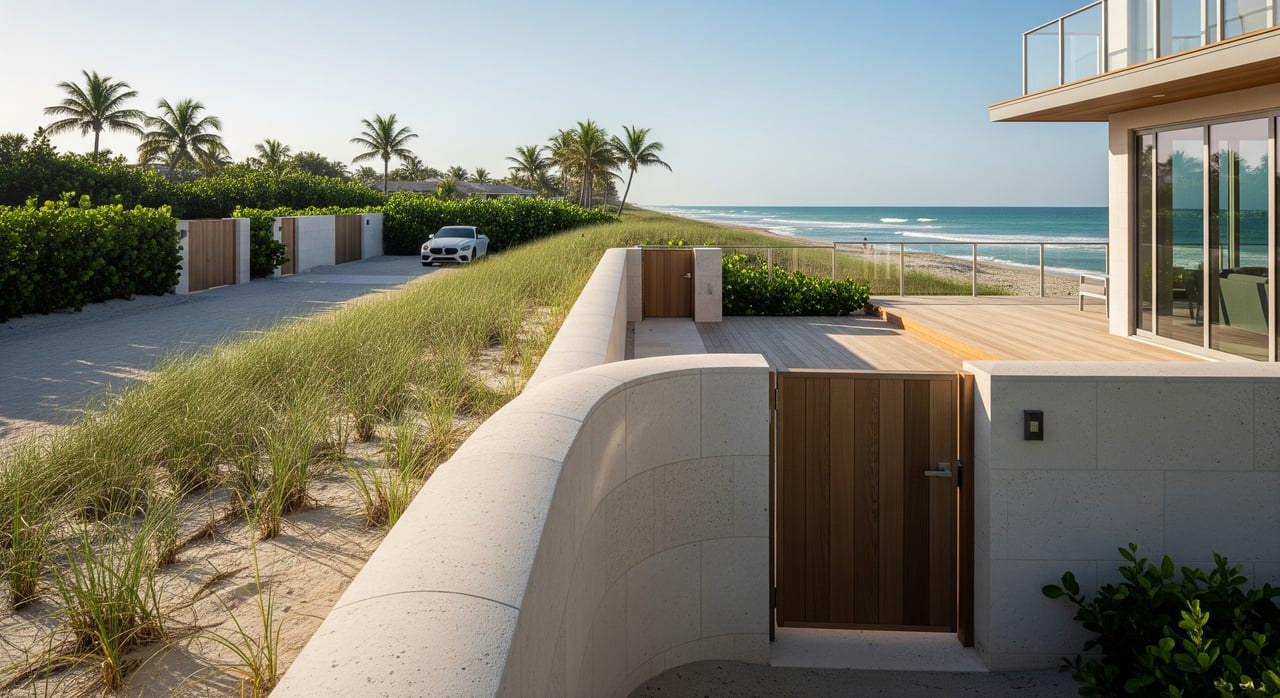
Planning a beach day in Delray Beach is simple until you circle the same block looking for a legal spot. If you live here or visit often, understanding how beach parking permits work saves time, stress, and surprise tickets. You want a clear, local guide that explains what your permit covers, how to get one, and what to watch for at the beach. This post breaks it down step by step so you can park with confidence and get back to the ocean. Let’s dive in.
Who runs beach parking
Delray Beach’s municipal beach parking is managed by the City of Delray Beach. City rules apply to city-owned lots and marked permit areas along the beach. Nearby spaces can look similar, but some are operated by Palm Beach County or private property owners.
Always match your permit to the lot operator. City permits usually work only in city-managed spaces, not in county parks or private lots unless signage clearly says otherwise.
City vs. county vs. private lots
- City lots: City-issued permits apply where signage states that resident or permit parking is accepted.
- County parks: Palm Beach County uses its own rules and systems. A city permit usually does not carry over to county-run beach parks.
- Private property: Hotels, restaurants, garages, and valet zones set their own rules and do not have to honor a city permit.
For current city rules and links to permit information, check the City of Delray Beach website. For county beach parks, review Palm Beach County resources.
- City resource: Visit the City of Delray Beach website at the Parking or Permits sections for definitive updates at the City of Delray Beach website.
- County resource: For county-managed beach parks nearby, start with Palm Beach County.
Permit types and eligibility
Permit names can vary by year, but most municipal programs offer a few common types. Expect the City to require proof of residency for resident permits and standard documentation for any vehicle-specific pass.
Resident permits
Resident permits are typically offered to Delray Beach residents for personal vehicles registered to the household. You can expect to show proof of residency and current vehicle registration during the application.
Visitor or temporary passes
Short-term permits may be available for guests or short stays. These often require host verification or a simple application. Availability can be limited during peak seasons, so plan ahead.
Commercial or contractor permits
If a service provider needs access near the beachfront, some municipalities offer commercial or contractor permits with defined conditions. These are usually restricted to specific uses and vehicles.
ADA parking
State-issued disabled parking placards and plates are honored in public parking areas as required by Florida law. You must still follow posted rules for accessible stalls and any time limits. For statewide guidance, see the Florida Department of Highway Safety and Motor Vehicles and federal ADA guidance.
Where your permit is valid
A city-issued permit is not a blanket pass for every beachfront spot. Validity depends on the lot owner, posted signage, and any time restrictions.
City permit lots and signed areas
Your permit should only be used in lots or sections that explicitly allow permit parking. Read the sign at the lot entrance and at your space. Some areas have peak-hour rules or seasonal restrictions.
Metered spaces and pay stations
Many beachfront areas use meters or pay-by-space systems. A resident permit often does not waive meter payment unless the city’s rules say it does. If a sign mentions a parking app or pay station, confirm whether a permit still requires payment.
County parks and private property
County-run parks operate under county rules. Private lots, hotel garages, and restaurant parking enforce their own policies. A city permit normally has no effect in these areas unless signage states otherwise.
Accessible stalls and placards
If you have a state-issued disabled placard or plate, use designated accessible stalls and follow posted time limits. The placard must be properly displayed to avoid a citation. Review state and federal guidance from FLHSMV and the ADA.
How to apply and renew
Application methods typically include online, in person, or by mail. Delray Beach provides current instructions on its official website, including accepted documents and processing times.
Step-by-step basics
- Review current rules. Visit the City of Delray Beach website and look for Parking or Permit pages. Confirm which permit fits your situation and which lots it covers.
- Gather documents. Most applications require proof of residency and vehicle details. See the checklist below.
- Apply online or in person. Follow the City’s instructions for uploading documents and paying any fees. If there is a physical permit or sticker, confirm how and when it is delivered.
- Confirm activation and display. If your permit needs to be displayed, place it as directed by the City. If the program is digital, verify your license plate is active in the system.
- Set renewal reminders. Note your expiration date and renewal window to avoid a lapse.
Documentation checklist
- Government-issued photo ID showing your Delray Beach address, or a current utility bill for that address.
- Vehicle registration that matches the resident’s address or proof of ownership as required.
- Proof of insurance if requested by the City.
- For visitor or temporary passes, host information or property verification.
Fees, timing, and renewals
Permit fees, payment options, and renewal dates can change. The City’s website is your source of truth for the current schedule and amounts. Avoid publishing or relying on outdated figures by verifying details before you apply.
- Fees and payment: Check for accepted payment types in the online portal or posted instructions on the City of Delray Beach website.
- Processing time: Online applications are usually the fastest. If a physical sticker is mailed, account for delivery time.
- Renewals: Most permits are annual. Many programs require you to resubmit proof of residency and current registration if anything has changed. Renew early to avoid a gap.
Enforcement basics and how to avoid tickets
Parking enforcement officers patrol beach lots and curbside spaces. Violations can lead to citations, towing, or booting, depending on the issue and the location.
Common pitfalls
- Not displaying a physical permit correctly when required.
- Parking in a county or private lot with a city permit and assuming it is valid.
- Using a permit on a vehicle that is not registered to the permit holder.
- Letting a permit expire, especially before a busy weekend or holiday.
If you receive a ticket
Keep the ticket, take photos of your vehicle, your permit display, and all posted signage. Then follow the City’s citation review or appeal instructions posted on the City of Delray Beach website. Appeal deadlines are strict, so act quickly.
Hosting guests and planning peak days
If you live close to the beach and host friends or family, check rules for visitor or temporary passes well in advance. Many households have limits on the number of guest permits or vehicles.
On peak days, consider paid hourly parking for short visits if visitor passes are limited. You can also avoid parking uncertainty by arriving early, walking, biking, taking transit, or using rideshare.
Mobile parking apps and pay stations
Many coastal cities use smartphone apps or pay stations for hourly parking. The app name, process, and whether permit holders must still register can vary by lot. Read the signs when you arrive and follow the posted instructions.
Quick reference checklist
- Confirm your lot: Read signage and verify city, county, or private control.
- Check payment rules: Do not assume a permit waives meter or pay-station fees.
- Display correctly: If you have a physical permit, place it as the City directs.
- Track your renewal: Set calendar reminders for expiration dates.
- Host visitors wisely: Arrange guest passes early, or budget for hourly parking.
- Keep records: Save digital copies of your documents, your permit, and photos of lot signage.
The bottom line
Beach parking in Delray Beach is straightforward once you know the ground rules. Match your permit to city-managed lots, read signage before you leave your car, and keep your documents current. With a little planning, you can spend your time by the water instead of watching the clock.
Thinking about a move or a second home near the beach. For curated neighborhood insight, white-glove coordination, and a smoother transition, connect with Unknown Company to schedule a private consultation.
FAQs
How do Delray Beach resident permits generally work
- Resident permits typically allow parking in city-managed lots or signed areas that accept permits. Always confirm on-site signage and check the City of Delray Beach website for current rules.
Are city permits valid in county beach parks nearby
- Usually no. County-run parks have separate rules and systems. Review county beach parking information through Palm Beach County.
Does a permit waive meter or pay-station fees
- Not always. Some lots require payment even with a resident permit. Read the posted rules at the lot and confirm details on the City of Delray Beach website.
Can I lend my permit to a friend or use it on another car
- Most municipal permits are non-transferable and tied to a specific vehicle or household. Using a permit on a different car can lead to a citation.
What should I do if I get a ticket but my permit was valid
- Document everything with photos of your permit display and lot signage, then follow the appeal or review steps on the City of Delray Beach website.
How do disabled placards work at the beach
- State-issued placards or plates are honored in public parking areas, but you must still follow posted rules for accessible stalls. Find statewide guidance at FLHSMV and federal guidance at the ADA website.