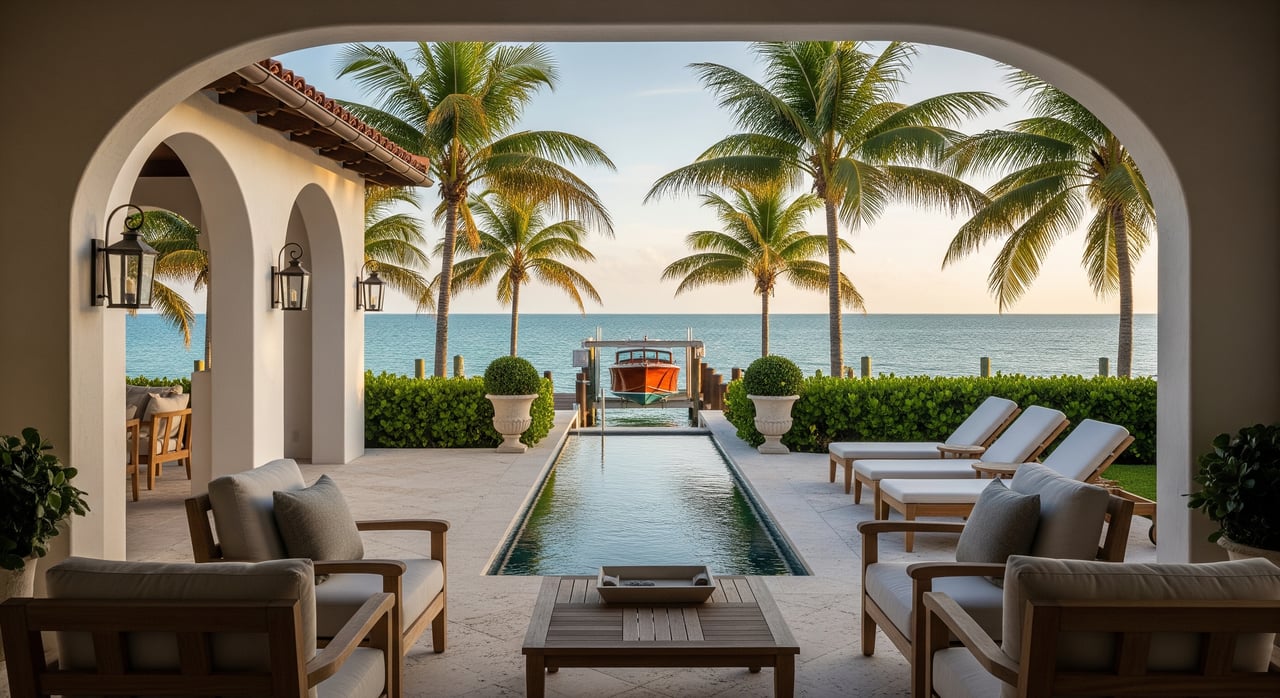
What does a typical day on Palm Beach Island actually look like? If you are picturing mornings on the sand, a short walk to lunch, and sunset boat rides, you are on the right track. This guide shows you how daily life flows across the island’s neighborhoods, how you get around, where you unwind, and the practical details that shape true waterfront living. Let’s dive in.
What everyday life feels like
Palm Beach is a barrier island with the Atlantic on one side and the Intracoastal Waterway on the other. Life here is oriented to the water, light, and easy access to essentials. You will notice a calm, polished rhythm, especially outside of peak season.
From late fall through spring, the island is busier and social calendars fill up. Summer tends to be quieter, with more private time at home, on the beach, or on the boat. Expect a luxury setting with a small-town pace, shaped by local ordinances that preserve privacy and the island’s look and feel.
A quick daily snapshot
- Morning: beach walks or a jog on the sand, coffee near Worth Avenue or Royal Poinciana Way, tennis or golf at private clubs, paddleboarding on the lagoon.
- Midday: errands, boutique shopping, spa or fitness sessions, a relaxed lunch.
- Afternoon: boating, fishing, pool time, or a quiet reset at home.
- Evening: early dinner, cultural talks or performances, private gatherings. Nightlife is low-key and often private or resort-based.
Morning to night on the island
You can start the day with a sunrise beach walk, then grab coffee within a short stroll of the commercial nodes. If you golf or play tennis at a private club, you will often book those sessions in the morning. Midday is perfect for a class at a boutique studio or time at a resort spa.
Afternoons lean toward the water. Many residents paddle, kayak, or take out the boat from a private dock. Evenings usually begin early. You might head to dinner, attend a lecture, or enjoy a quiet evening at home.
Beaches and water access
Public beach access points exist along the oceanfront, though convenience and parking vary by block. Many residents simply walk or rely on private parking and club access. Lifeguard coverage and beach parking can be limited or seasonal, so plan around your nearest access point.
Water sports are part of daily life. Paddleboarding and kayaking are common on the Intracoastal, while boating ranges from quick sunset cruises to nearshore fishing. If boating is central to your lifestyle, consider how dockage, water depth, and no-wake zones shape your routes and timing.
Dining, shopping, and social life
The dining scene favors coastal and continental menus, often in boutique or resort settings. You will find high-end boutiques, galleries, and specialty stores clustered near Worth Avenue and in nearby commercial areas. Day-to-day errands are simple if you keep a tight routine on the island, but larger supermarkets and big-box options are on the mainland.
Evenings mirror the island’s refined character. Private events, philanthropic gatherings, and arts programming are common, especially during the winter social season. If you want a livelier night, you can head across the bridge to West Palm Beach and return home to a quieter island.
Wellness and culture
Wellness runs through the island’s routine. Many residents prefer outdoor fitness, private training, Pilates, yoga, or resort spa services. When you are ready for culture, the programming at the Society of the Four Arts is a mainstay, and the Flagler Museum offers exhibitions and events that connect you to the island’s history.
Healthcare, including primary and specialty care, is readily accessible on the mainland. Most trips take only a few minutes across the bridges, though timing matters during peak season.
Micro-neighborhood lifestyles
Different parts of Palm Beach fit different routines. Here is how the island’s areas tend to feel in daily life.
Downtown and Worth Avenue area
This is the most walkable pocket, with cafés, galleries, boutique shopping, and quick access to dining. If you enjoy stepping out your door to run errands on foot, this zone supports that pace best.
Resort and beachfront stretches
These areas appeal if you want immediate ocean access and hospitality-style amenities. Many residents here favor concierge services, full spa days, and a crisp beach routine with minimal logistics.
Intracoastal and canal-side blocks
If your life revolves around boating, these neighborhoods put you closer to private docks and marinas. Daily routines include checking lines and lifts, planning tides, and quick afternoon cruises on the lagoon.
North and south residential zones
These stretches tend to be quieter and more estate-like, with a focus on privacy and larger lots. If you want space for gardens, a pool, or a more secluded feel, these blocks may fit you well.
Getting around and access
You reach the island by bridges that connect to West Palm Beach and nearby communities. Personal vehicles are the norm for longer trips, though many short errands in the downtown core are walkable.
Public parking can be tight near beaches and popular nodes. Many buildings and restaurants offer private or metered options, and resorts may provide valet. If you plan to host guests or events often, consider how parking and guest access will work at your property.
Walking, biking, and transit
Walking and biking make sense for short island trips, especially near commercial areas. Some residential streets have fewer sidewalks, so plan routes in advance. For countywide bus service, check Palm Tran. Regional rail is available from the West Palm Beach station on the mainland.
Ride-hailing and taxis are common, and resort valet services can help simplify arrivals when dining or attending events.
Boating logistics made simple
If you plan to keep a boat at home, factor in local permitting, seawall conditions, and environmental rules. The Town reviews many dock and shoreline projects. You can explore ordinances, applications, and review boards on the Town of Palm Beach site.
Public and commercial marinas provide fuel and services, and slips can be in high demand during peak season. Shallow areas and posted no-wake zones shape where and how fast you travel on the Intracoastal. For tides and marine conditions, consult NOAA tides and currents when planning outings.
Practical costs and maintenance
Life here is luxurious, and costs reflect that. Housing, dining, services, and private club memberships often sit above regional averages. Routine maintenance is part of coastal living. Salt air and sun exposure accelerate wear, so expect regular exterior upkeep, corrosion control, HVAC service, and pool care.
Waterfront homes often require ongoing attention to docks, seawalls, and boats. Many owners use landscaping, pool, housekeeping, and marine service teams on a regular schedule. These line items create a predictable monthly rhythm.
Storm season and resilience
Hurricane season runs June through November and shapes daily decisions. Many residents maintain generators, storm shutters, and plans for securing outdoor areas. In severe forecasts, you may move boats to safe harbor or elevate key items at home.
Flood risk varies by property. Many homes fall within FEMA flood zones, and flood insurance is a common part of ownership. To understand mapping and coverage, start with the FEMA Flood Map Service Center. Renovations often factor in elevation, seawalls, and material choices. For coastal rules and shoreline guidance, see the Florida Department of Environmental Protection.
Rules, permits, and short-term rentals
Local ordinances help preserve the island’s character. Historic-preservation review can influence exterior changes, demolitions, and landscaping, and shoreline projects often require permits at town and state levels. Short-term rentals are regulated by the Town and by HOAs where applicable. Always verify the latest ordinances and association covenants with the Town of Palm Beach before making plans.
Noise and event rules may apply to private gatherings, especially if you plan amplified sound or larger guest counts. If you value a calm environment and clear community standards, these guidelines are a benefit.
Is Palm Beach Island right for you?
Choose Palm Beach if you want your morning coffee and workout within a short walk, sand underfoot by sunrise, and the Intracoastal as your afternoon playground. You will trade higher ownership and maintenance costs for rare daily access to beach and boat life, refined dining, and a strong cultural calendar.
If you want privacy, you will find it in the quiet residential blocks. If you want a social, walkable pace, you will find it near Worth Avenue and the resorts. If you want a pure boating lifestyle, the Intracoastal and canal-side homes are tailored to you.
Ready to explore homes that fit how you actually live, season by season? For curated on-market and off-market options, discreet guidance, and concierge service across Palm Beach County, connect with Megan Romine.
FAQs
What is winter “season” like on Palm Beach Island?
- From roughly November through April, the island is busier, social calendars fill up, and restaurants and cultural venues extend programming while maintaining a refined, low-key pace.
How does beach access typically work for residents?
- Public access points exist along the oceanfront, but parking and lifeguards can be limited or seasonal, so many residents walk from home or use private and club access.
What should boaters know about docks and marinas?
- Private docks often require permits and must follow environmental rules, marinas can have waitlists in peak season, and no-wake zones and shallow areas shape routes and timing.
How do costs and maintenance impact waterfront owners?
- Expect higher ongoing expenses for insurance, exterior upkeep, landscaping, pool and boat service, and potential seawall or dock maintenance due to salt air and sun.
What are the main ways to get around the island?
- Most residents use personal vehicles for longer trips, walk or bike near commercial nodes, rely on limited public parking, and can use county transit via Palm Tran.