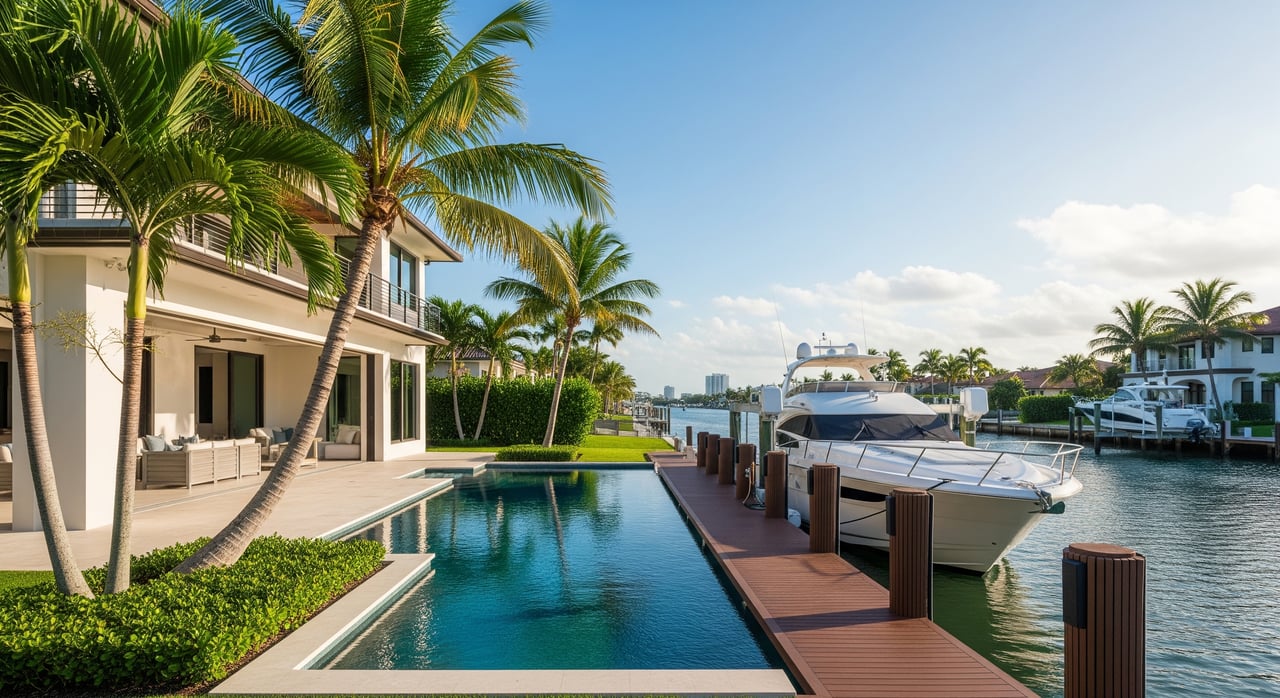
Want to step onto your boat and reach the Atlantic without guessing what the tides, bridges, or permits might mean for your dream? If you are eyeing Pompano Beach, you have great options, but every form of ocean access works differently. Small details like seawall condition, flood zone, or HOA rules can shape how you use the property and what it costs to maintain. In this guide, you’ll learn how ocean access works here, what to verify before you buy, and the smartest steps to protect your investment. Let’s dive in.
Ocean access options in Pompano Beach
Direct oceanfront homes
These properties sit on the beach side of Pompano Beach and command the highest premiums. You get the coastal lifestyle and littoral rights that relate to access and use of the shore. You also take on coastal regulations, dune and beach processes, and exposure to storm surge and erosion. Expect more permitting and maintenance planning compared to interior waterfront.
Homes near public beach access
You may not be right on the sand, but you can be steps from a public access point or boardwalk. This offers a beach lifestyle at a lower price than oceanfront. You trade direct water rights for convenience, walkability, and often easier upkeep. Proximity to public access can increase seasonal activity and traffic.
Intracoastal Waterway and connected canals
Pompano Beach borders the Intracoastal Waterway and a network of navigable canals. Many homes sit directly on these waterways with private docks and lifts. Ocean access is available via maintained channels and inlets, with navigation shaped by depth, bridge clearances, and posted no-wake zones. When evaluating a property, focus on dock rights, water depth at low tide, seawall condition, and permitted improvements.
Marina slips and public ramps
Some buyers prefer a home without a dock and secure boat access through a deeded slip, a leased berth at a nearby marina, or public launch sites. A deeded slip can add value and convenience, while leased slips involve rules, fees, and potential waitlists. Public boat ramps are useful if you want occasional access without marine structures at home.
Rules and permits that shape use
Waterfront living in Broward County comes with layered oversight. Your plan for docks, lifts, seawall work, or coastal landscaping often requires permits and inspections.
- Coastal Construction Control Line and state coastal permitting can limit new construction, dune work, and shoreline armoring.
- Seawall, bulkhead, and dock projects typically require local permits and may need state and federal approvals.
- Flood zones influence insurance requirements and elevation needs. Lenders usually require flood insurance if a structure sits in a Special Flood Hazard Area.
- HOAs and condo associations may regulate boat length, dock size, and lift installation. Read the rules early in your search.
- Short-term rental rules vary. Confirm city and county requirements, transient taxes, and any HOA restrictions before relying on rental income.
Agencies to consult include the City of Pompano Beach Planning and Zoning and Building Department, Broward County Environmental Protection, the Florida Department of Environmental Protection, the U.S. Army Corps of Engineers, FEMA, NOAA, and the Florida Fish and Wildlife Conservation Commission.
Boating access factors to verify
If you plan to take a boat to the ocean, confirm the practical details early. Ask for channel depth information, particularly at low tide, and evaluate seasonal shoaling in connecting canals or channels. Review bridge types and clearances on your route, including whether bridges are fixed or movable. Note local no-wake zones that impact travel times and comfort.
For private docks, confirm mooring rights and the condition of pilings, caps, and lifts. If you expect a larger vessel, verify that canal width and turning radius are workable. Use up-to-date nautical charts and local guidance to validate your intended route.
Costs, insurance, and risk
Coastal properties often carry higher insurance costs due to flood and wind exposure. If the home is in a Special Flood Hazard Area per FEMA mapping, a lender will generally require flood insurance. Even outside SFHAs, flood coverage is common for coastal homes. Underwriting will consider the elevation certificate, mitigation features, and claims history.
Maintenance is another key factor. Oceanfront homes and low-elevation waterfront properties face erosion and storm surge risk. Seawalls and docks need periodic inspection, repairs, and sometimes replacement. Budget for routine upkeep and potential future adaptations that improve resilience.
Seawalls, docks, and marine structure checks
A seawall or dock can be the heart of your waterfront experience. It can also be your largest surprise expense if you skip a specialized inspection. Hire a licensed marine or structural engineer to evaluate condition and remaining design life. Request all permits, as-built drawings, and service records. Unpermitted work can create issues when you sell or attempt upgrades.
If a boat and lift are part of the purchase, bring in a certified marine surveyor to assess lift capacity, cables, motors, and electrical. Ask about any recent repairs, warranties, and the timeline for known future work.
Resale and lifestyle tradeoffs
Waterfront homes on the ICW and oceanfront typically command a premium. They also respond to market sentiment around storm seasons, insurance availability, and sea-level concerns. Homes near public access points, piers, or marinas can offer great convenience and stronger rental potential where allowed, yet may experience higher traffic and noise. Balance your desired lifestyle with your tolerance for maintenance and activity around the property.
Buyer due diligence checklist
Use this list to move fast and avoid surprises.
Documents to request
- Current survey showing improvements, seawall location, and easements.
- All shoreline and dock permits and any as-built drawings.
- Elevation certificate and any recent floodplain determinations.
- Seawall inspection reports, maintenance records, and warranties.
- Marina slip documents or HOA docking rules if applicable.
- Title commitment showing recorded easements and any riparian or littoral reservations.
- Insurance declarations and claims history where available.
- HOA CC&Rs and rules on boats, docks, and rentals.
- Records of dune, beach, seawall, or renourishment projects affecting the property.
Specialists to hire
- Licensed marine or structural engineer for seawall and dock condition.
- Certified marine surveyor if a boat and lift are included.
- Coastal-experienced home inspector, plus mold and HVAC specialists as needed.
- Coastal or shoreline engineer if you plan modifications or want an erosion risk review.
- Surveyor to confirm boundaries and the mean high-water line.
- Local insurance agent for flood and wind quotes and guidance.
- Real estate attorney for riparian or littoral rights and permitting history.
Smart questions to ask
- Is there a recent elevation certificate and any recorded shoreline easements?
- What seawall or dock repairs have been done and were they permitted?
- Who owns and maintains the seawall and dock, and are they within the property lines?
- Are slips deeded or leased and are they transferable?
- Has the property experienced storm surge, flooding, or repeated claims?
- Are there HOA rules or pending coastal projects that could affect future use?
Contract protections to include
- Inspection contingencies specific to seawalls, docks, and lifts.
- A right to obtain acceptable flood and wind insurance quotes.
- Credits or escrow holdbacks for documented marine repairs, backed by contractor estimates.
- Timing contingencies for permits if you plan post-closing modifications.
Local resources to contact
- City of Pompano Beach Planning and Zoning and Building Department
- Broward County Environmental Protection Division and Floodplain Management
- FEMA for Flood Insurance Rate Maps and community data
- Florida Department of Environmental Protection for coastal permitting and CCCL
- U.S. Army Corps of Engineers for federal permits and navigation projects
- NOAA for nautical charts and tidal data
- Florida Fish and Wildlife Conservation Commission for boating rules and safety
- Broward County Property Appraiser and Tax Collector for records and taxes
- Local marina management for slip availability, fees, and rules
Ready for concierge guidance?
If you want ocean access without guesswork, you deserve a team that understands Broward County’s channels, codes, and contracts. The Megan Romine Team pairs boutique, white-glove service with the reach of a top brokerage to help you evaluate docks, insurance, and permits with confidence. For curated off-market options and a step-by-step plan that fits your lifestyle, connect with Unknown Company to Explore Off-Market Opportunities or Schedule a Private Consultation.
FAQs
Do I own the beach in front of my Pompano Beach home?
- Not automatically. Beach ownership and access depend on littoral rights, the mean high-water line, public easements, and recorded documents. Confirm through title, survey, and local rules.
How do I know if I need flood insurance in Pompano Beach?
- Lenders generally require flood insurance if a structure is in a Special Flood Hazard Area per FEMA maps. Even outside these zones, many coastal owners choose coverage due to exposure.
Who handles seawall repairs for a waterfront property?
- Responsibility varies. Check the deed, plat, HOA documents, and title records to see who owns the seawall and is responsible for maintenance and repairs.
Can I add or replace a dock or boat lift?
- Often yes, but most projects require local permits and may need state or federal approvals. A pre-offer consultation with permitting authorities or a coastal engineer is a smart move.
Are marina slips transferable when I buy a home or condo?
- It depends. Some slips are deeded and convey with the property, while others are leased through a marina and may not transfer. Review agreements and HOA or marina rules early.