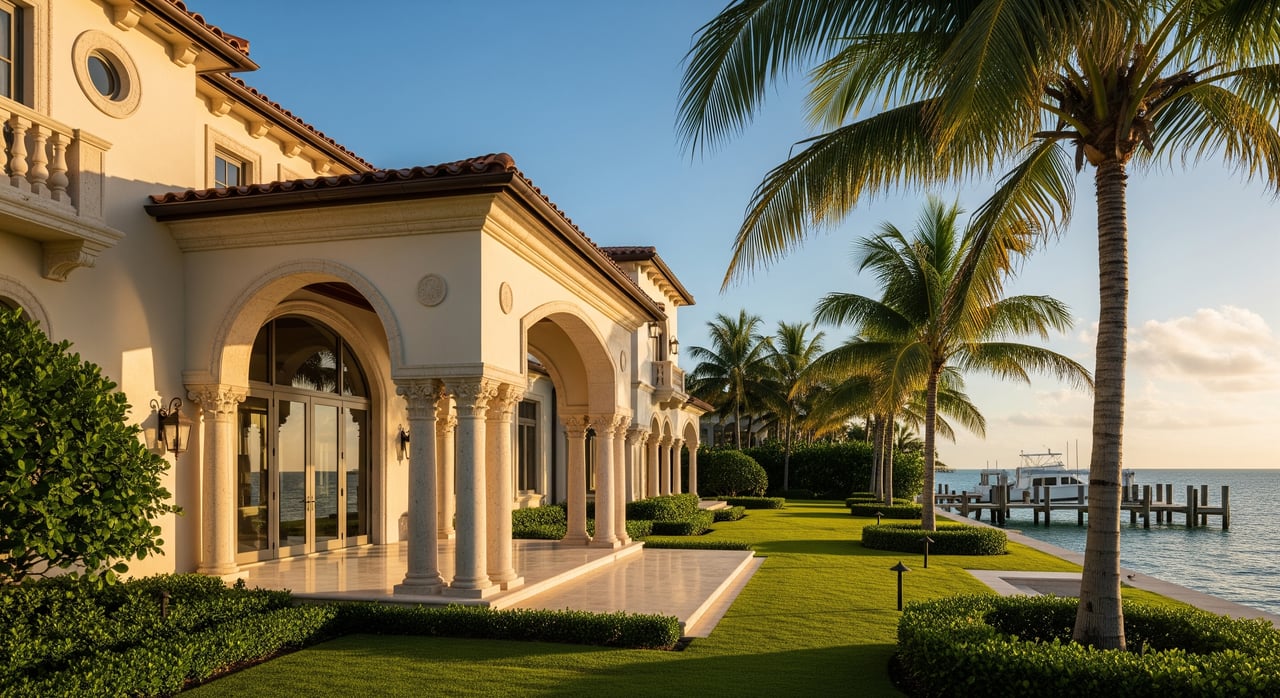
What is the right asking price for a Palm Beach Island estate when every property feels one of a kind? If you are weighing a sale, you know the stakes are high and the buyer pool is discerning. You want a number that commands attention, invites qualified showings, and stands up during negotiations. This guide gives you a clear, step-by-step pricing playbook tailored to Palm Beach Island’s luxury market so you can move forward with confidence. Let’s dive in.
Know the Palm Beach Island market
Palm Beach Island sits in an ultra-luxury segment with fewer sales and wider price dispersion than typical neighborhoods. Many transactions are quiet or off market, which makes recorded comps thinner and adjustments more nuanced.
Seasonality matters. Buyer activity often increases in late fall and winter, when seasonal and international buyers are in residence. Cash purchases are common in the highest tiers, and stock market performance and interest rates can influence demand more than local trends.
Inventory also shifts by price band, street, and exposure. Low months of supply can support premium pricing, yet a cluster of similar listings nearby can cap your ceiling. The right strategy considers all three: seasonality, active competition, and the behavior of qualified buyers.
Build a defensible valuation
A strong pricing strategy starts with evidence. In a low-volume, trophy-home market, you need both data and local insight.
Gather the right comps
- Pull closed sales for the past 12 to 24 months, and extend to 36 months if recent sales are limited.
- Focus on the same exposure type first: oceanfront, direct Intracoastal with dockage, canals, or interior lots.
- Include active and pending listings to understand how sellers are positioning similar properties right now.
- Where appropriate, supplement with credible off-market intel from trusted brokers.
Adjust like a pro
Price-per-square-foot is a starting point only. For Palm Beach Island estates, meaningful adjustments often include:
- Water type and view: direct Atlantic typically carries the highest premium, then Intracoastal with private dockage, then canals and interior.
- Orientation and privacy: south or east exposure, unobstructed sightlines, and walled privacy can lift value.
- Lot details: size, depth, linear water frontage, buildable envelope, and seawall condition.
- Elevation and resilience: elevation above base flood and any mitigation measures, plus availability of an elevation certificate.
- Improvements and pedigree: architectural significance, age, systems, permits, guest house or staff quarters, pool, and indoor-outdoor living spaces.
- Condition and readiness: turnkey presentation can justify a meaningful premium for this buyer pool.
Document each adjustment and why it matters. Buyers and their advisors will ask for your logic.
Set three price scenarios
- Aggressive: positions for a faster sale with broader buyer interest.
- Market: reflects current evidence and expects a typical luxury exposure period.
- Conservative: tests the ceiling and accepts a longer runway while your marketing builds demand.
Factors that move price on the island
Location and exposure
Oceanfront estates with unobstructed Atlantic views sit at the top of the curve. Direct Intracoastal with private dockage follows, then canal-facing and interior lots. Walkability to town, proximity to Worth Avenue, and access to private beaches or marinas all influence perceived value.
Lot and water access
Lot depth and width, water frontage in linear feet, dock rights, and seawall condition carry real dollars. A well-maintained seawall and reliable dockage reduce future costs and expand the buyer pool that owns or plans to own larger vessels.
Home, permits, and design
Architectural pedigree, tasteful renovations, and documented permits signal confidence. Historic or landmark status can enhance cachet, yet it may limit future changes, which affects value and buyer profile. High-end systems like full-house generators and HVAC redundancy often matter to privacy-minded, part-time residents.
Risk and resilience
Flood zone, velocity zone, and storm-surge exposure shape insurability and holding costs. Provide buyers with clear documentation:
- Confirm the flood zone through the FEMA Flood Map Service Center.
- Share elevation certificates, recent seawall inspections, and mitigation upgrades.
- Offer context on long-term coastal exposure using the NOAA Sea Level Rise Viewer.
Well-elevated, storm-hardened homes command stronger prices than similarly sized but vulnerable properties.
Insurance, taxes, and closing costs to plan for
Insurability is a gating factor for many buyers and lenders. Coastal wind and flood premiums can be significant and availability can shift. Encourage buyers to verify options early and be prepared to share any quotes or history you have.
- For current guidance on carrier capacity and coastal policies, consult the Florida Office of Insurance Regulation.
- For flood policy options and basics, direct buyers to flood insurance information through FEMA’s NFIP.
Property taxes and assessments are part of the total cost picture. Have your most recent tax bill ready and be transparent about any special assessments or community fees. Florida transactions commonly include documentary stamp tax and title insurance, with local practices determining who pays what. Your agent will outline current norms for Palm Beach.
Timing and tactical pricing
Align pricing with the island’s calendar. Many sellers target late fall to early spring for maximum visibility. That does not mean you cannot sell in summer, but your campaign strategy should reflect likely buyer presence.
Monitor performance and adjust with intent:
- Reassess at 30, 60, and 90 days using showings, inquiries, and feedback.
- Expect a luxury marketing window of 90 to 180 days, unless strong buyer activity surfaces sooner.
- If you reduce price, do it based on evidence and avoid frequent small cuts that signal weakness.
Strategic tactics can help but should never replace sound valuation:
- Price banding: listing at 9.95 million instead of 10 million may capture more search filters, though in this segment many buyers rely on broker curation.
- Anchor pricing: for off-market exposure, a higher anchor can work if it is backed by a strong narrative and targeted buyer outreach.
Marketing that supports the number
In the ultra-luxury tier, marketing and access often determine whether you achieve at or near your list price.
- Professional production: aerial and twilight photography, cinematic video, and polished copy.
- Immersive tools: 3D tours and measured floor plans help remote and international buyers assess quickly.
- Targeted distribution: leverage luxury broker networks, international syndication, and invitation-only previews.
- Seasonally timed events: plan showcases and broker tours when qualified buyers are in town.
A cohesive campaign creates urgency and justifies your price. It also surfaces the right buyers faster, which reduces carrying time and friction.
Negotiation dynamics in Palm Beach
The strongest offers are usually simple and credible. Cash offers are common and tend to carry weight. Fewer contingencies can justify firmer pricing. Align closing timelines with the season and your plans, and keep the property in show-ready condition to maintain leverage.
Expect sophisticated counterparties. Their advisors will scrutinize comps, permits, and risk disclosures. Having a clean package ready signals professionalism and reduces late-stage renegotiation risk.
Seller prep checklist that supports pricing
Put yourself in a buyer’s due diligence mindset. The more you remove uncertainty early, the more confidence you create.
- Obtain a recent appraisal or detailed broker opinion of value.
- Secure an elevation certificate, seawall inspection, and a full home inspection.
- Prepare a property portfolio: upgrades, system ages, permits, floor plans, and any HOA or use restrictions.
- Stage for impact: thoughtful edits, landscape refresh, and luxury staging where needed.
- Review insurance: be ready to discuss wind and flood options with prospective buyers.
- Confirm parcel and zoning details through official records before finalizing comps and marketing.
What to expect from the market
Well-positioned Palm Beach Island estates can sell in a few months, especially when listed during the peak season with a clear, evidence-backed price. Underpricing to spark a bidding frenzy is less reliable in this segment because discovery is often broker-led and privacy-driven. A precise price that reflects true value, paired with best-in-class marketing, usually performs best.
If you want a pulse on current absorption, pricing bands, and seasonal shifts, statewide market summaries from Florida Realtors can provide helpful context. Your agent will translate those broad trends into micro-market guidance for your street and exposure.
Ready to price with confidence, attract the right buyers, and protect your leverage from list to close? Connect with Megan Romine for a private consultation and a tailored pricing plan for your Palm Beach Island estate.
FAQs
How do you value oceanfront vs. Intracoastal on Palm Beach Island?
- Start with recent sales of the same exposure, then adjust for linear frontage, orientation, unobstructed views, dock and seawall condition, privacy, and lot configuration.
Should I list below market to drive multiple offers on a Palm Beach Island estate?
- In this ultra-luxury, broker-led market, accurate pricing with strong marketing often beats underpricing, which can backfire when discovery is limited and buyers are privacy-minded.
How do flood zones and hurricanes affect estate pricing on Palm Beach Island?
- They shape insurability and operating cost; elevated, storm-hardened homes with mitigation measures tend to achieve higher prices than similar but vulnerable properties.
How long does a Palm Beach Island estate typically take to sell?
- Expect a marketing window of several months; well-priced, well-marketed properties listed in season can sell faster depending on buyer activity and competition.
What pre-list repairs matter most for a Palm Beach Island estate?
- Prioritize structural items that impact financing or insurance first, like roofing, seawall, and major systems; then consider targeted cosmetic updates and staging for presentation.