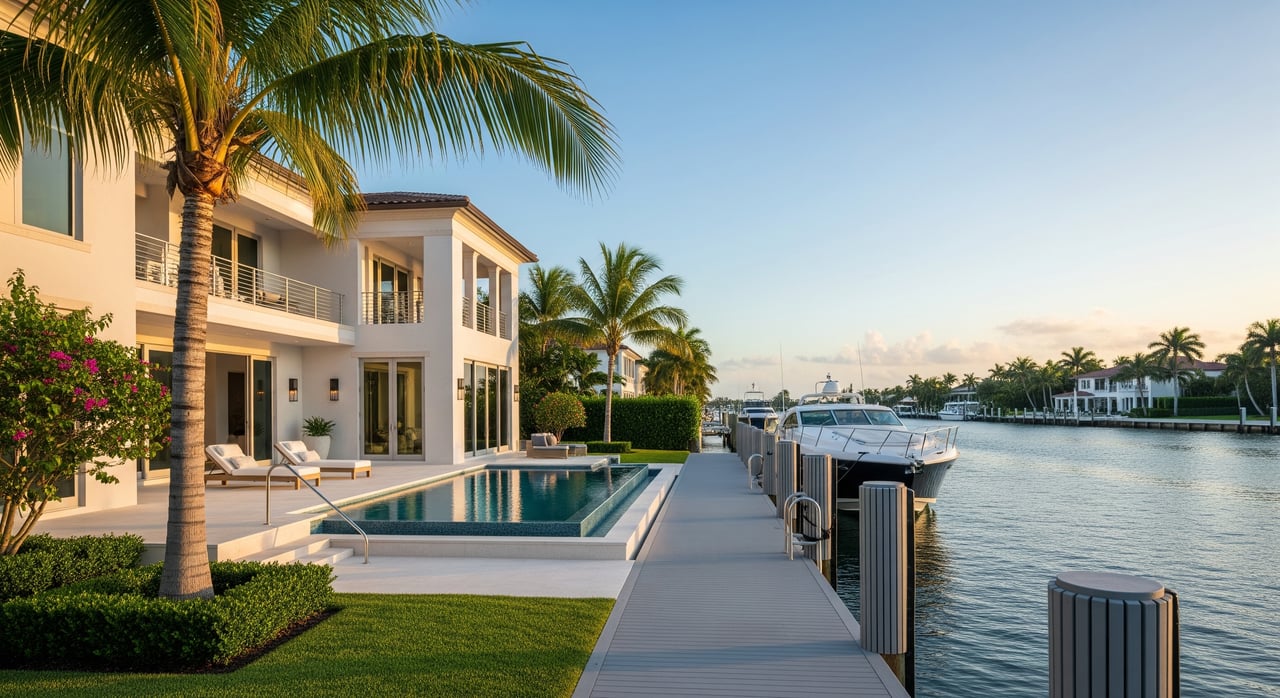
Coffee at sunrise over the Intracoastal. Afternoon cruises to a favorite waterside restaurant. If you’re considering a move to West Palm Beach’s waterfront, you likely want that easy coastal rhythm without unwanted surprises. The key is understanding how this market works, from flood zones and seawalls to insurance and permits. This guide gives you clear steps, local context, and the due diligence to buy with confidence. Let’s dive in.
Waterfront options in West Palm Beach
West Palm Beach offers a range of water settings. You’ll find Intracoastal-front homes and condos, canal-access properties with boat dockage, and nearby Atlantic oceanfront along the barrier island. Neighborhoods like El Cid, Flamingo Park, Grandview Heights, and the South End place you close to marinas, parks, and city amenities.
The Town of Palm Beach sits across the water on the barrier island. It features oceanfront estates and Intracoastal views with a different municipal framework. North and south along Palm Beach County, you’ll also see options in Singer Island, Lake Worth, Manalapan/Hypoluxo, Boca Raton, Delray Beach, and up to Jupiter.
What drives value and price
Water access and frontage are primary value drivers. Direct Intracoastal or ocean exposure typically commands a premium over indirect canal access. Dockage, seawall condition, water depth, and boat clearances can shift value significantly.
Elevation, flood zone, and insurability also influence demand. So do neighborhood amenities and allowable uses, including HOA policies on leasing and renovations. Because prices change fast, focus on the features that fit your lifestyle and risk tolerance.
Flood zones and elevation basics
Flood risk is part of coastal living. Properties in FEMA Special Flood Hazard Areas usually require flood insurance with federally backed mortgages. Knowing your parcel’s flood zone and finished floor elevation helps you estimate risk and premiums.
An Elevation Certificate (EC) can materially affect flood insurance pricing. Ask for the seller’s EC during negotiations or order one during your inspection period. Pair that with a review of any past flooding disclosures and consider long-term sea level projections when comparing locations.
How to evaluate risk
- Check official FEMA flood maps for your target properties and neighborhoods.
- Review elevation data alongside local storm surge guidance and sea level planning resources.
- Confirm that your lender and an insurance broker agree the property is insurable on acceptable terms before you go firm.
Seawalls, docks, and boat access
Marine structures need specialized due diligence. A licensed marine contractor or coastal engineer should inspect pilings, caps, tie-backs, and evidence of scour or corrosion. Ask for permits and any prior repair records to verify compliance.
Determine who maintains the seawall and dock. Responsibility may sit with the homeowner, an HOA, or a municipality depending on deed, covenants, or recorded agreements. Factor realistic maintenance and replacement reserves into your budget, especially for older seawalls.
Permits you may need
Dock and seawall work often requires local building permits. In-water structures can involve state and federal authorization, and sensitive habitats like mangroves and seagrass require special handling. If you plan future improvements, understand the path and timing early.
Insurance and financing essentials
Coastal insurance has unique moving parts. Flood insurance is often obtained through the National Flood Insurance Program or private carriers, and premiums depend on flood zone, elevation, and mitigation features. Separate wind and hurricane coverage is common in Florida, and wind mitigation upgrades can reduce costs.
On loans, most conventional, FHA, and VA options are available, though high-value homes may require jumbo financing. Lenders typically want flood insurance bound if the property is in a mandatory zone, plus documentation like an EC and proof of insurability. A strong pre-approval that accounts for waterfront-specific requirements sets you up to move decisively.
Rules, HOAs, and rentals
Your intended use matters. Many condos and waterfront communities have rules on leasing frequency, minimum lease terms, and renovations. Municipal short-term rental ordinances and registration requirements may apply.
Before you write an offer, confirm HOA bylaws and any local rental rules that could affect your plans. If you anticipate building a lift, extending a dock, or replacing a seawall, verify setbacks, environmental protections, and review the permit sequence.
Relocation checklist
Before you start touring (3+ months out)
- Get mortgage pre-approval and confirm your lender’s policy on flood-zone homes.
- Speak with a local insurance broker for early flood and wind quotes.
- Research neighborhoods for marina access, commute patterns, parks, and services.
- Engage a waterfront-focused agent to align search criteria with boating needs and risk tolerance.
Offer and contingency period
- Include contingencies for a general home inspection and a specialized seawall/dock inspection.
- Order a survey and request or obtain an Elevation Certificate.
- Require proof of insurability or an insurance binder estimate from your broker.
- Run a title search focused on easements, riparian rights, and seawall ownership/maintenance.
Inspections and reports
- Full home inspection plus pest/termite inspection.
- Marine contractor or coastal engineer report on seawall, dock, and lifts.
- Survey with flood-zone notation; confirm corner pins and waterline boundaries.
- Environmental review if the property is adjacent to protected habitat.
Closing and move-in
- Bind flood and homeowners insurance and deliver to your lender.
- Confirm HOA transfer requirements and any marina or slip assignment rules.
- Set up hurricane readiness: shutters or panels, service for generators, and a storm plan.
- Schedule HVAC and exterior maintenance to manage salt exposure.
Local tools and resources
- Use the official FEMA Flood Map Service Center to review parcel flood zones and community FIRMs. Visit the FEMA Flood Map Service Center to start your search.
- Explore long-term risk and planning with NOAA Sea Level Rise resources, and track active systems with the National Hurricane Center during season.
- For permits and local code questions in city limits, consult the City of West Palm Beach building and zoning pages to confirm submittal steps and coastal standards.
- For state coastal permitting and protected habitats like mangroves, review guidance from the Florida Department of Environmental Protection before planning in-water work.
- Many docks and in-water structures require federal authorization. Check the U.S. Army Corps of Engineers for permit pathways and timelines.
- Stay informed on coverage availability and market conditions through the Florida Office of Insurance Regulation, and learn about last-resort coverage from Citizens Property Insurance.
- For evacuation zones, shelter details, and storm readiness, use the Palm Beach County Office of Emergency Management resources.
- Verify parcel records, ownership, and assessed values with the Palm Beach County Property Appraiser to support your due diligence.
Make your move with confidence
The right waterfront home should fit your lifestyle and your risk profile. When you pair smart due diligence with local expertise, you can enjoy the views, the boating, and the walk-to-everything convenience that makes West Palm Beach special. If you want a concierge search, vetted off-market options, and hands-on guidance from offer to closing, connect with Megan Romine for a private consultation.
FAQs
Can you finance a West Palm Beach waterfront home?
- Yes, most lenders will finance waterfront homes, though properties in FEMA flood zones typically require flood insurance and higher-value homes may need jumbo loans.
How much does flood insurance cost in Palm Beach County?
- Premiums vary by flood zone, elevation relative to base flood elevation, building value, and mitigation features; obtain quotes early and use an Elevation Certificate to refine pricing.
What permits are needed to build or repair a dock in West Palm Beach?
- You will likely need city building permits and, for in-water work, state and possibly federal authorization; plan for environmental protections related to mangroves and seagrass.
Who is responsible for seawall maintenance at a home?
- Responsibility depends on deed and title, HOA covenants, and any municipal agreements, so verify ownership and obligations during the title and inspection period.
When is hurricane season in South Florida and how should you prepare?
- Hurricane season runs June 1 to November 30; monitor the National Hurricane Center, review evacuation information, and maintain shutters, insurance, and a storm plan.