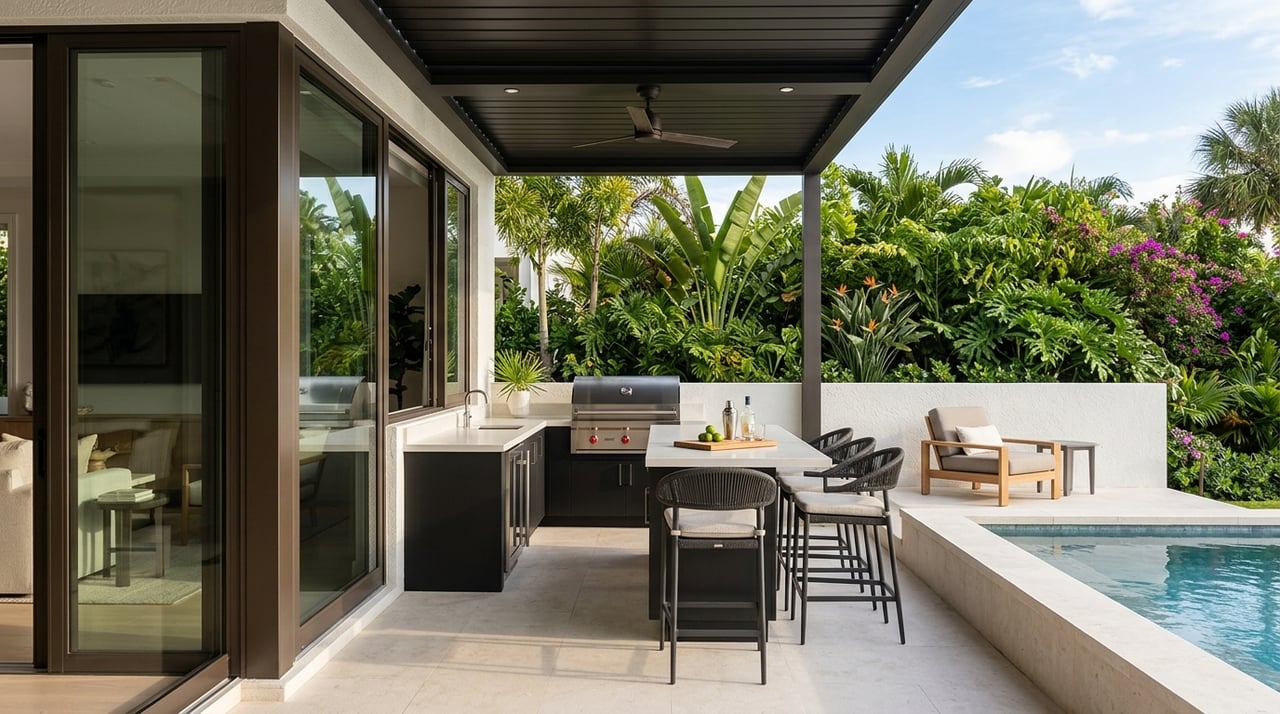
If you own a waterfront home in Pompano Beach, timing can shape your rental results almost as much as the property itself. This is a market where visitors come for sunshine, boating, beach days, and easy indoor-outdoor living, so your home is being judged as a full lifestyle experience. When you match your lease strategy to local demand, weather patterns, and the way guests actually use the area, you can make smarter decisions about pricing, stays, and operations. Let’s dive in.
Why seasonality matters in Pompano Beach
Pompano Beach sits in one of South Florida’s most water-focused destinations. Greater Fort Lauderdale offers 24 miles of beaches, more than 300 miles of navigable waterways, an average year-round temperature of 77 degrees, and more than 3,000 hours of annual sunshine. That gives waterfront homes a strong lifestyle advantage, especially when they are positioned around outdoor enjoyment and access to the water.
The busiest visitor window is typically December through April. Local visitor guidance points to that stretch as the most popular season because of warm, sunny days and lower humidity. For owners, that usually supports stronger rates, more selective minimum stays, and a more polished seasonal offering.
The slower part of the year generally runs from late spring into fall. Summer in Pompano Beach tends to be hotter, more humid, and more prone to afternoon thunderstorms, with the rainiest period usually falling from June through September. In Southeast Florida, roughly 69% of annual precipitation falls during the summer season, which makes weather a real factor in your leasing calendar.
Match your strategy to peak season
If your waterfront home shows well, is fully furnished, and offers a strong guest experience, peak season is often the time to lean into premium positioning. Buyers and investors sometimes focus only on annual income, but a concentrated seasonal approach can make more sense when the property naturally fits winter and spring demand.
During the strongest months, tighter stay requirements can help reduce turnover and protect the guest experience. A home with a dock, pool, updated outdoor spaces, or direct beach access often has the best chance to command premium seasonal interest because it aligns with why visitors choose Pompano Beach in the first place.
Pompano Beach also has a distinct positioning advantage. Local tourism messaging describes it as a quieter and often more affordable option than Miami or Fort Lauderdale, while still offering access to airports, Brightline, boating, beaches, and waterfront dining. That means your marketing angle should focus on ease, calm, and coastal access, not just nightlife or density.
Adjust your approach for summer and fall
Late spring through fall usually calls for more flexibility. Demand can soften during hotter and wetter months, and weather uncertainty can affect booking behavior, especially for leisure travelers planning around outdoor activities.
This is where a flatter year-round strategy may leave money on the table in peak season and feel too rigid in slower months. A better approach is often to keep pricing and stay terms tighter in winter and spring, then offer more flexible length options or longer-stay value during summer and early fall.
Storm timing matters too. Atlantic hurricane season runs from June 1 through November 30, so owners should build storm readiness into the rental calendar. That includes planning turnovers carefully, checking supplies, and making sure your management setup can respond quickly if weather changes.
Choose the right leasing model
Not every waterfront home should be operated the same way. In Pompano Beach, the best model often depends on how the property is furnished, how much turnover you want, and how hands-on you are willing to be.
Seasonal leasing
Seasonal leasing often fits best when your home is presentation-ready and designed for lifestyle-driven demand. If the property has beautiful outdoor spaces, a strong waterfront setting, and a resort-style feel, the winter and spring window may offer the most upside.
This approach tends to work especially well for homes near the beach, on the Intracoastal, or along canals with usable dock access. It also benefits owners who are comfortable with a more active operational model and want to maximize the property’s strongest months.
Longer-term or mid-term leasing
A longer-term or mid-term lease can make sense if your priority is steadier occupancy and fewer turnovers. That is often especially appealing in the hotter and stormier part of the year, when leisure demand can be more weather-sensitive.
Lease length also affects the operating model. Florida’s Department of Revenue states that transient rentals for terms of six months or less are subject to sales tax, discretionary surtax, and local transient rental taxes. In other words, term length is not only a pricing choice. It also changes compliance and administration.
Highlight the features guests actually want
In Pompano Beach, waterfront renters are not just looking for bedrooms and bathrooms. They are looking for a home base that supports the local lifestyle, whether that means boating, fishing, beach access, or relaxing outside near the water.
Lead with outdoor living
For many waterfront homes, the first photo should make the outdoor experience clear. Local visitor materials consistently highlight views of the ocean, the Intracoastal, and active waterfront scenes, including boats passing nearby and dining on the water.
That means outdoor spaces should be treated as core amenities, not extras. Patios, covered seating, grills, lanais, decks, and shade structures can all strengthen the rental appeal when they are clean, comfortable, and easy to use.
Make dock access practical
If your home sits on the Intracoastal or a canal, dock quality can matter as much as interior finishes. Pompano Beach promotes boating, fishing, kayaking, paddle boarding, jet skiing, diving, and charter fishing as everyday visitor activities, so your property should support that kind of use if possible.
Features like a usable dock, safe waterfront circulation, rinse-off areas, and secure storage for gear can make a meaningful difference. Clear instructions for dock use and any marine-related features also help guests feel more confident from day one.
Prioritize comfort inside
South Florida climate puts a premium on interior comfort. In Pompano Beach, typical air temperatures range from the mid-70s in winter to the upper 80s and 90s in summer, so guests notice very quickly when a home feels humid or hard to cool.
Reliable HVAC, humidity control, ceiling fans, blackout shades, durable flooring, and easy laundry access all support a better stay. These are not flashy upgrades, but they are often the details that protect reviews, repeat bookings, and the overall perception of quality.
Think through beach and pool use
Ocean-facing homes have slightly different priorities. Beach access, sand management, and easy movement between indoor and outdoor living areas often matter more than dock utility.
Pompano Beach describes its beaches as wide, clean, and recently redeveloped with a promenade, dining, and public art. That means the guest experience extends beyond the property itself, so homes that make beach days simple and comfortable tend to feel more valuable.
Widen demand with flexible design
Small choices in layout and house rules can widen your renter pool. Local visitor guidance notes that many rentals in the area are pet-friendly, that families often look for pool and suite-style setups, and that dogs are not allowed on the main public beach.
For owners, that suggests practical opportunities. Easy-to-clean finishes, a clear pet policy, and flexible sleeping arrangements can make the home work for a broader range of seasonal guests while keeping expectations clear.
The goal is not to be everything to everyone. It is to make the home easy to understand, easy to enjoy, and easy to manage.
Plan for operations before you list
Waterfront homes usually need more active oversight than inland rentals. Between climate control, turnovers, dock areas, pools, outdoor furniture, and weather planning, there are simply more moving parts.
Strong local management can make a major difference. The right support should cover guest communication, rapid turnover coordination, vendor scheduling, climate checks, and storm-readiness planning, especially during the summer and fall months.
Arrival logistics matter too. Pompano Beach visitors often use cars, rideshares, bus service, bike rentals, and the Water Taxi, so clear check-in instructions and parking guidance help reduce friction and improve the guest experience.
Keep compliance on your checklist
If you are considering short-term rental activity, it is important to understand the local framework before you start. The City of Pompano Beach states that short-term rentals require an annual permit and that operators must obtain the relevant city, county, and state registrations or business tax receipts.
Florida DBPR guidance says that whole-unit rentals offered more than three times in a calendar year for periods of less than 30 days, or advertised that way, generally fall within vacation-rental licensing. Broward County also states that its Tourist Development Tax rate is 6%, and county guidance notes that owners involved with short-term rentals may need to pay that tax.
For many owners, this is one more reason to choose a leasing strategy intentionally rather than casually. The right structure can support both your income goals and your day-to-day workload.
The smart seasonal strategy
The strongest seasonal rental strategies in Pompano Beach usually have a few things in common. They lean into the peak December-to-April demand window, showcase outdoor living clearly, and make the property feel effortless for guests.
They also respect the slower, wetter, and storm-sensitive part of the year. Instead of forcing one approach across all 12 months, they adapt pricing, stay length, and operations to the realities of the local market.
If you own a premium waterfront home, the opportunity is not just to rent it. The opportunity is to present it in a way that reflects what people come to Pompano Beach to enjoy: sunshine, water access, comfort, and a calm coastal lifestyle.
If you are weighing whether to lease, sell, reposition, or refine your strategy for a waterfront property, Megan Romine can help you evaluate the best path with local insight and white-glove support.
FAQs
What is the busiest rental season for Pompano Beach waterfront homes?
- The most popular period is typically December through April, when the weather is warm, sunny, and less humid.
What amenities matter most for Pompano Beach waterfront rentals?
- Outdoor living areas, water views, dock usability, strong HVAC, humidity control, easy laundry access, and practical features for beach or boating use tend to matter most.
Should a Pompano Beach waterfront home be rented seasonally or long term?
- It depends on your goals. Seasonal leasing may offer more upside during peak months, while longer-term leasing can provide steadier occupancy and fewer turnovers.
What should owners plan for during hurricane season in Pompano Beach?
- Owners should account for Atlantic hurricane season from June 1 through November 30 by building storm readiness, turnover timing, and property oversight into the rental plan.
Are short-term rentals regulated in Pompano Beach?
- Yes. The City of Pompano Beach says short-term rentals require an annual permit, and operators may also need state, county, and city registrations or tax-related filings.
How can a waterfront home stand out in the Pompano Beach rental market?
- The best-performing homes usually present a clear lifestyle story with strong outdoor spaces, easy water or beach access, interior comfort, and a smooth guest experience.