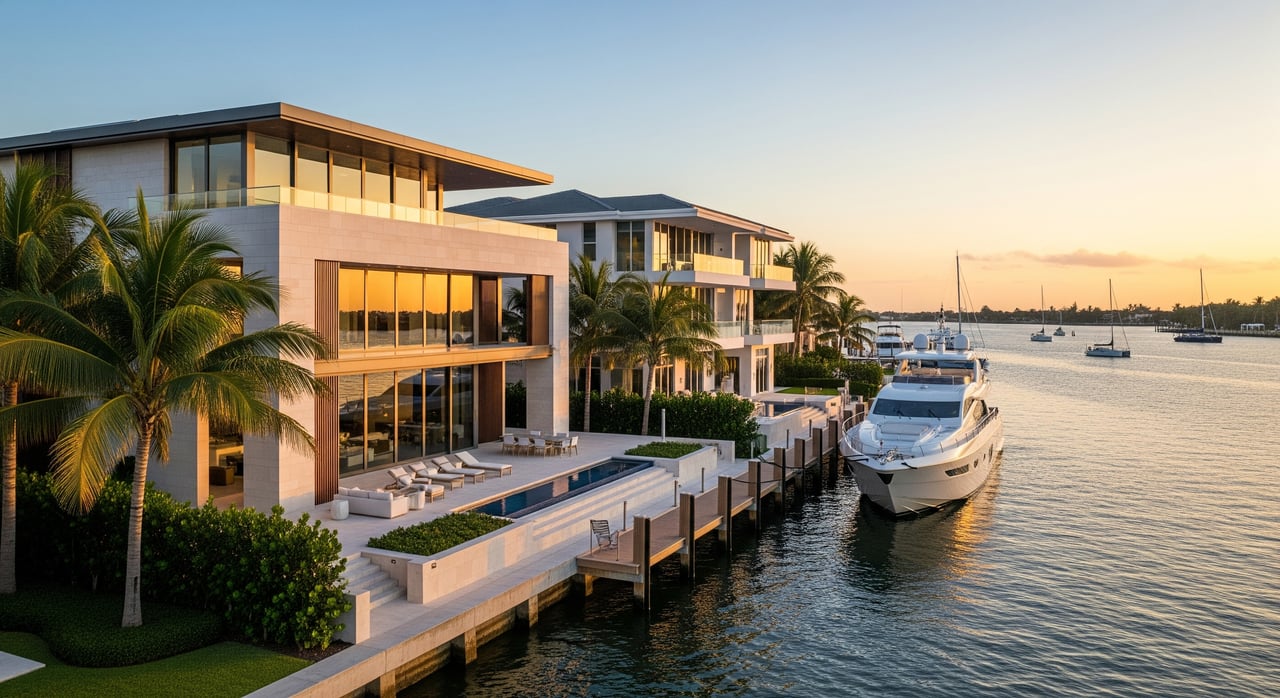
Dreaming of a home on the water in West Palm Beach but not sure where to start? You are not alone. The waterfront here is not one market. It is a set of distinct micro-markets, each with its own access, lifestyle, and pricing dynamics. In this guide, you will learn how the segments differ, what drives value, and the due diligence that protects you when you buy or sell. Let’s dive in.
Why waterfront holds value
West Palm Beach offers a rare mix of boating access, a lively downtown, and year-round sunshine. Limited shoreline and tight zoning keep true waterfront supply constrained, which supports values for well-located, turnkey properties. Demand continues to benefit from in-migration and wealth relocation to South Florida.
Activity surged from 2020 to 2022, then cooled as rates rose, with 2022 to 2024 showing more selective buyers and longer marketing times in some niches. Luxury waterfront has generally been more resilient than entry-level segments, though buyers are choosier about condition, access, and insurance realities.
Micro-market segments
Barrier island oceanfront
These are ultra-high-end oceanfront estates and condos on the Town of Palm Beach, a separate municipality on the barrier island. Inventory is scarce and zoning is distinct from the City of West Palm Beach. Buyers focus on privacy, land value, and pedigree, and pay premiums for direct Atlantic frontage and turnkey condition.
Intracoastal direct access
On the mainland side in West Palm Beach and nearby pockets, you will find single-family homes with private docks and high-rise towers facing the Intracoastal and Flagler Drive. Direct ocean access with no fixed bridges commands a premium. Views, dock size, and seawall condition can swing value and time on market.
Canal and lagoon homes
Canal-front properties around the Lake Worth Lagoon offer private slips and a boating lifestyle. Depth, bridge clearance, and tidal patterns matter. Shallow canals or fixed bridges can limit vessel size, which narrows the buyer pool and usually reduces price compared with direct Intracoastal frontage.
Downtown and Flagler condos
Urban towers near Clematis and The Square provide water views with walkability to restaurants and cultural venues. These attract buyers who want lock-and-leave convenience and amenities. Financing can be building-specific and depends on reserves, maintenance, and lender acceptance.
Near-water view homes
Some homes offer lake or lagoon views without navigable access. These sell at a lower premium than direct-dock properties but still provide a waterfront lifestyle with fewer maintenance obligations.
Price and timing drivers
- Water access type: Direct ocean access with no fixed bridges is the top tier. Intracoastal frontage ranks next, followed by canals with depth or bridge limits.
- Dock or slip ownership: A private, deeded dock typically adds significant value. Community or leased slips can be attractive but impact pricing differently.
- Seawall condition: Aged or failing seawalls often trigger price concessions due to repair costs and permits.
- Flood elevation and retrofits: Elevation, impact glass, and elevated systems reduce risk and can boost buyer confidence.
- Condo building criteria: Lender approval, reserves, rental mix, and building condition affect financing and days on market.
For up-to-date neighborhood pricing and absorption, review local MLS trends through the Realtors Association of the Palm Beaches market reports.
Buyer due diligence checklist
Waterfront due diligence is technical. Build a file before you offer:
- Flood verification: Pull the property’s FEMA flood zone and ask for any Elevation Certificate. Check the parcel on the FEMA Flood Map Service Center and request current flood insurance quotes from your lender or agent.
- Future risk context: Review long-term scenarios on the NOAA Sea Level Rise Viewer, then weigh elevation, drainage, and recent resiliency upgrades.
- Seawall and dock: Order a marine contractor inspection with photos, repair history, and permits. Identify past or open permits with the City of West Palm Beach permitting pages and the Palm Beach County site.
- Permits and shoreline work: Confirm that seawalls, docks, and lifts were permitted and closed. Many projects require county or city permits and sometimes state or federal approvals. Review guidance from the Florida Department of Environmental Protection.
- Insurance package: Price homeowners, wind, and flood. Lenders typically require flood coverage when properties sit in high-risk zones.
- Title and access: Verify riparian or littoral rights for existing docks and any submerged land leases if applicable.
- Condo review: Request the budget, reserve study, recent meeting minutes, special assessments, litigation, and insurance summary.
Insurance and financing basics
Florida’s coastal insurance market remains dynamic. Insurers may tighten underwriting, raise premiums, or limit coverage on older or higher-risk buildings. Review state-level context via the Florida Office of Insurance Regulation and discuss options with your insurance specialist, including NFIP and private flood policies. If coverage is unavailable in the private market, explore the state-backed option through Citizens Property Insurance.
Financing varies by property type and building. Lenders scrutinize flood zones, elevation, roof age, impact ratings, and condo financials. Expect additional documentation for waterfront condos, especially in older buildings or those with high rental ratios or deferred maintenance.
Permits and shoreline work
Work on seawalls, docks, and lifts is often multi-agency. Depending on scope and location, you may need approvals from Palm Beach County, the City of West Palm Beach, the Florida Department of Environmental Protection, and in some cases federal authorizations. Unauthorized work can be expensive to fix, so verify permits and final inspections before closing.
Resilience and long-term value
Municipalities across Southeast Florida are planning for sea level rise and more frequent coastal flooding. West Palm Beach participates in regional adaptation efforts through the Southeast Florida Climate Compact. Properties with higher finished floor elevations, upgraded drainage, impact glass, and storm-rated roofs tend to be stronger long-term holds. Use the NOAA Sea Level Rise Viewer to pair data with on-site observations.
Selling for a premium
If you are preparing a waterfront listing, eliminate friction for buyers before you hit the market:
- Provide recent marine inspections, seawall repair records, and permits.
- Organize insurance history and current quotes for wind and flood.
- Highlight resiliency upgrades such as impact windows, elevated equipment, and new roofs.
- For condos, share a clear package: reserves, assessments, minutes, and building insurance.
Premium results come from clarity and presentation. The right content, virtual tours, and targeted distribution can convert selective buyers into confident offers.
Use local data sources
Numbers change quickly. Validate comps and trends with the Realtors Association of the Palm Beaches market reports. For parcel details, confirm ownership, legal description, and assessed values through the Palm Beach County site. Cross-check permits with the City of West Palm Beach permitting pages.
Next steps
Whether you are comparing Intracoastal towers or a canal-front home with a private slip, a tailored plan will save you time and reduce risk. For discreet tours, off-market options, and a data-backed strategy, connect with Megan Romine to Explore Off-Market Opportunities or Schedule a Private Consultation.
FAQs
What is the West Palm Beach waterfront micro-market?
- It is a set of segments that include barrier island oceanfront (Town of Palm Beach), mainland Intracoastal homes and condos, canal and lagoon systems, downtown towers, and near-water view properties.
How do flood zones affect buying a waterfront home?
- Lenders typically require flood insurance for high-risk FEMA zones, and elevation, mitigation features, and prior claims can affect premiums and financing terms.
What permits are needed for seawall or dock work?
- Most projects require permits from the city or county, and sometimes state or federal approvals, so verify prior permits and final inspections before closing.
Are waterfront condos harder to finance than houses?
- They can be, especially in older buildings or those with limited reserves, high rental ratios, or deferred maintenance, which can restrict lender approval.
How much value does a private dock add?
- Premiums vary by waterway, depth, and ocean access; direct ocean access docks typically command the highest uplift compared with shallow or fixed-bridge canals.
What should sellers prepare before listing a waterfront home?
- Provide marine inspections and permits, insurance history, and documentation for resiliency upgrades, and compile a clean condo package if applicable.